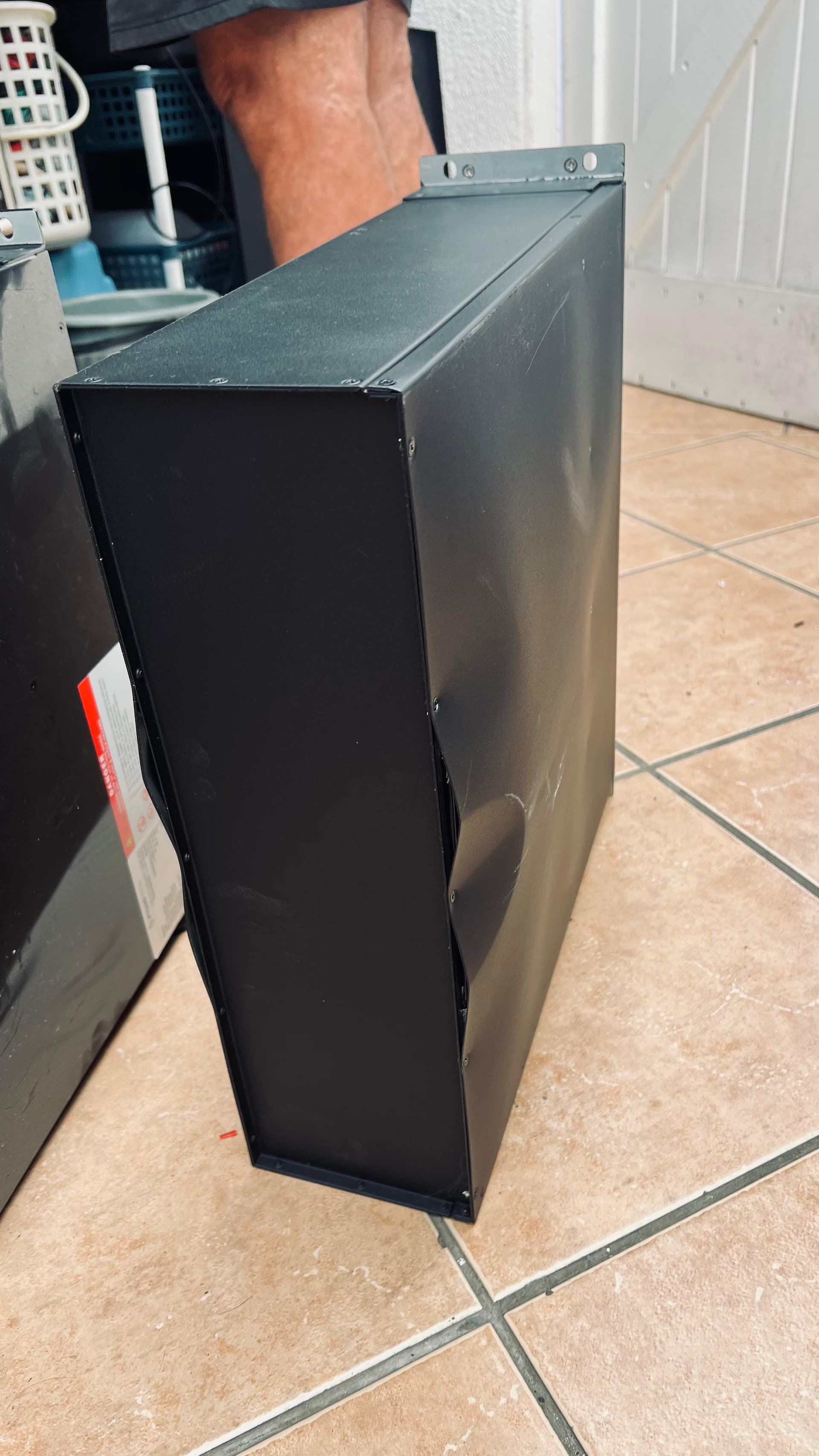
With these brand name batteries swelling/failing, under 10 year warranty (way to early to consider the cycle limit), how “quick” (wot, ±25%-35% into the 10 years) they fail.
The thought:
Once replaced under warranty, will the warranty replaced battery at least last the remainder of the original 10 years, or longer?
Me worried, listening to the likes of Andy and Will who said over time on their channels, these Lifepo4 cells should last 20+ years the way they are used.
What is causing this?
Heat inside the casing?
Manufacturing of the cells?
Weak BMS?
Quality control?
Acceptable loss % from the accountants?
If you look at warranty documents, you will find a hint: The BMS has a different warranty than the rest of the battery for many of them. I have seen batteries that have it worded so the BMS has a 2 year warranty, the cells 10 years, but in that case if a failed BMS causes a cell failure, then no warranty… (and it’s easy to imagine that a balancing resistor fails, which will remain undetected, but will lead to a cell failure.)
In the case of Pylontech specifically, I think there was a big batch/year where lots of batteries failed - swollen cells that bent the casing. I speculate that there was some sort of contamination/impurity or production process problem that lead to that. But even so, they took a good number of years before they started showing symptoms, and as far as I know, they got replaced under warranty without drama. If the same happened to say a freedom won etower, you might struggle for months or years to get it sorted
So basically - the BMS is not designed for long life (balancing generates heat that degrade components, so do the FET switches etc.) And cells last so long that tiny production problems can have a big effect on longevity, but you won’t be able to tell before it’s too late.
As I said before, and you confirming similar, Will said in a vid, BMS will fail before the cells do.
(Ps. never knew that of the warranties and BMS’es, damn!)
Cause of Andy and his followers, they got JK to update their firmware to function even better. It is all about the software/firmware, before anything else on BMS’es.
It can interface if I use Louis driver.
In a few years, will upgrade again as the BMS’es get even more cleverer.
Had to go with that one, not the latest JK Inverter one, it now integrates with the Venus/Cerbo, cause I want to use 18 cells for the foreseeable future.
Still using the Smartshunt as the SOC for the system, it also being my “telltale”.
If BMS SOC says 100% SOC and Smartshunt says like 30%, I know there is big drama happening on cell level.
Just my DIY visual warning way before there is permanent damage to the cells, running “native”, “the old way” (no connection between BMS and Cerbo).
Victron smartly throttles back the charge amps as the battery gets full.
Hi guys! Yup, the infamous cell high voltage alarm issue started in my setup about a month ago, glad I found this forum and thread courtesy of friends on 4x4 Community.
Victron Multiplus II 48 3000 32, Venus GX FW 3.52
Pylontech US3000C x2, firmware shows V1.3. It looks like only one of the two batteries has the issue thus far.
Please advise on recommended course of action. I have made up a serial cable for the batteries. I have Batteryview (I think 3028). I am a bit cautious about the two different chipset flavours on the Pylontech BMS, so I would rather be sure by learning from the experts before bricking a battery by using the wrong firmware.
(BTW: I cannot see the option in VRM to add “Effective charge voltage”)
Update: the installer made arrangements with the distributor, and the batteries were collected by the courier yesterday. Now it’s the waiting game, but I am carefully optimistic.
In my haste / idiocy (because the courier arrived almost unannounced), I broke one of the fancy Amphenol battery connectors on the Pylontech main DC cable going to the inverter. Could not find any in town, was shocked to see loose connectors cost as much as complete cable assemblies. Local place quoted R800 for a cable assembly set, found the same (original) online for half that.